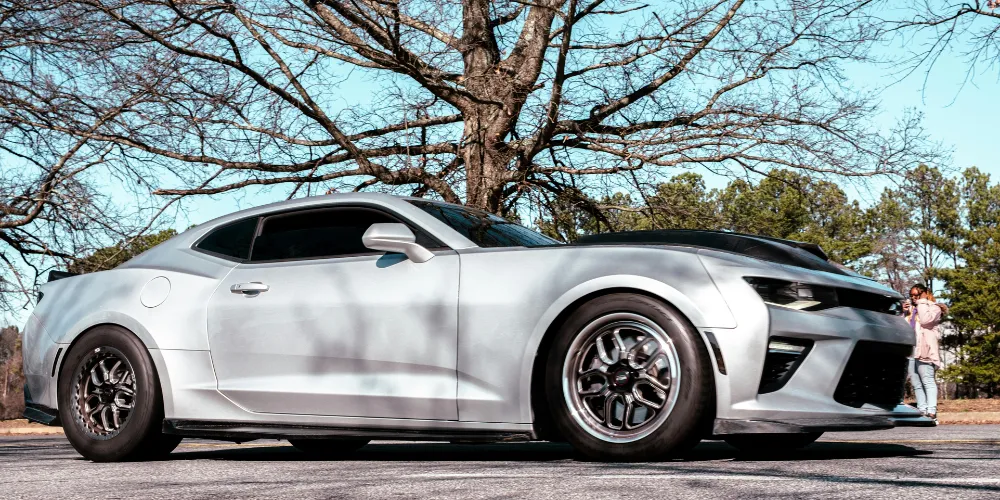
The United States is a massive country where driving is a central part of daily life for millions of people. From the busy streets of New York City to the open highways of the Midwest, cars are the primary way Americans get to work, school, and grocery stores. Because we rely so heavily on our vehicles, keeping them in good running condition is a top priority for every owner. Understanding the various sounds and signals your car gives you can prevent a small issue from becoming a very expensive repair. Taking care of your vehicle ensures safety for you and your family while traveling across the country. Regular maintenance is the key to longevity and performance in any climate or terrain. When your car starts making unusual noises, it is usually a cry for help that needs your attention right away. Learning the basics of car health helps you stay confident and secure while on the road.
What does it mean when my car makes a clicking noise?
When you hear a clicking sound coming from your vehicle, it is usually a sign that a specific mechanical or electrical part is failing. This sound can happen while you are idling, turning the steering wheel, or trying to start the engine. Identifying the timing and location of the click is the first step toward fixing the problem before it leaves you stranded.
Failing Battery or Alternator
A rapid clicking sound when you turn the key or push the start button usually points to an electrical issue. This happens when there is not enough power to fully engage the starter motor, causing it to cycle on and off quickly. The culprit is often a weak battery that can no longer hold a charge, especially during cold winter months or after sitting for a long time. It could also mean your alternator is failing and is not recharging the battery while you drive the car. Sometimes the problem is as simple as dirty or loose battery terminals that prevent electricity from flowing properly through the system. You might notice your interior lights flickering or your dashboard dimming along with the clicking noise in these situations. If you hear this, you should try to jump-start the car, but keep in mind that the battery might need to be replaced soon. Professional testing can confirm if the battery is just drained or if it has reached the end of its life cycle. Neglecting these electrical signs can lead to a car that won’t start at the most inconvenient times. Keeping your battery terminals clean and tight is a great way to prevent this specific type of clicking sound. Always check for corrosion, which looks like white or blue powder around the metal battery posts.
Damaged CV Axles
If you hear a loud, rhythmic clicking or popping noise specifically when you are making a turn, the issue is likely a CV axle. The Constant Velocity (CV) joints are covered by rubber boots that keep grease in and dirt out so the parts move smoothly. Over time, these rubber boots can crack or tear, allowing the essential lubricating grease to leak out while road debris gets inside. Without grease, the metal parts of the joint rub against each other, creating that distinct clicking sound as the axle rotates. You will usually notice the sound gets louder or faster as you accelerate through a turn or pull out of a parking space. This is a common problem in front-wheel-drive vehicles that have seen many miles of travel on various road conditions. If left ignored, a CV joint can eventually break entirely, which will prevent the car from moving at all because power can’t reach the wheels. Replacing the axle assembly is the standard fix once the clicking has started, as the damage inside the joint is already done. It is a good idea to have a mechanic inspect your CV boots during every oil change to catch small rips before they turn into big problems. Fixing a torn boot early is much cheaper than replacing the entire axle once it starts clicking.
Low Engine Oil Levels
A light clicking or tapping sound coming from the top of the engine while it is running often indicates a lack of lubrication. The many moving parts inside your engine, such as valves and lifters, require a constant flow of clean oil to operate quietly and smoothly. When the oil level gets too low, or if the oil is very old and dirty, these parts can begin to clatter against each other. This sound is sometimes called “tappet noise” and is a major warning sign that your engine is under a lot of stress. Low oil pressure can be caused by a leak, an engine that “burns” oil, or simply forgetting to go in for a scheduled oil change. Running an engine with low oil can cause permanent damage to the internal metal components due to extreme heat and friction. If you hear this tapping, you should pull over safely and check your oil dipstick immediately to see if you need to add more. Using the correct grade of oil specified in your owner’s manual is essential for keeping these parts quiet and well-protected. If the noise persists even after adding oil, there might be a more serious issue with the oil pump or internal blockages. Regular oil changes are the most important thing you can do to keep your engine running quietly for many years.
Frequently Asked Questions
If your car is making strange noises, you probably have a few quick questions about what to do next and how serious it is.
Is it safe to drive my car if it is clicking?
It depends on the cause, but it is generally not recommended to ignore it. A clicking battery means you might get stranded, while a clicking CV axle could eventually lead to a loss of control or the inability to move the vehicle at all.
How much does it cost to fix a clicking noise?
The cost varies greatly depending on the source of the sound. A simple battery replacement might cost $100 to $200, whereas replacing a CV axle or fixing internal engine components can range from $300 to over $1,000 depending on your vehicle’s make and model.
Conclusion
Hearing an unexpected clicking sound from your car can be stressful, but acting quickly can save you money and keep you safe. To handle this situation effectively, follow these steps: First, pay close attention to when the noise happens, such as during starting or while turning. Second, check your dashboard for any warning lights like the battery or oil pressure symbols. Third, check your fluid levels, especially the engine oil, to ensure everything is topped off. Fourth, if the noise is related to steering, have a mechanic look at your axles and joints as soon as possible. Fifth, don’t wait for the car to break down completely before seeking professional help. Taking these small steps will ensure your vehicle stays reliable for your travels across the United States. Maintaining your car is a responsibility that pays off in the long run with fewer repairs. Stay safe on the road and listen to what your car is trying to tell you.